Transforming Pixels into Worlds: The Art of the Image to Physical Map Converter
In the realm of digital art and tabletop gaming, the line between a simple photograph and a sprawling fantasy landscape is thinner than most creators realize. For years, game masters, illustrators, and hobbyists have struggled with the tedious process of manually tracing coastlines, shading mountains, and inventing river systems from scratch. The emergence of specialized tools designed to streamline this workflow has changed the game entirely. At the forefront of this creative revolution is the concept of an Image to Physical Map Converter, a workflow enhancement that allows artists to generate stunning, print-ready maps from virtually any source image.
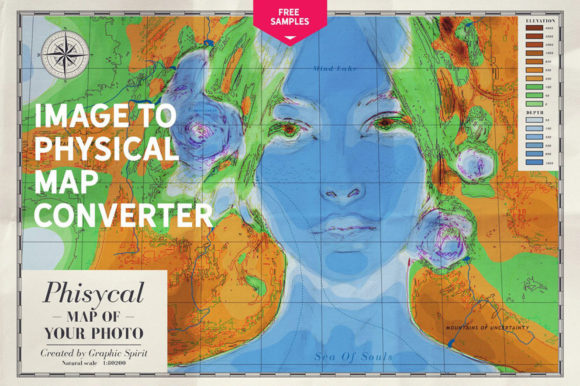
Imagine taking a satellite photo of a rugged coastline, a texture of cracked earth, or even a abstract watercolor splash, and instantly transforming it into a believable geographic feature on a fantasy map. This is not merely about applying a filter; it is about leveraging a sophisticated toolkit that understands the visual language of cartography. When you utilize an Image to Physical Map Converter, you are unlocking a method to create interior posters, postcards, and campaign assets that feel authentic and lived-in. The only limit is your imagination.
The Magic Behind the Conversion
The core appeal of this technology lies in its versatility. Traditional map-making software often requires users to draw every element by hand, a process that can take dozens of hours for a single high-resolution map. By contrast, a robust conversion toolkit allows for the perfect transformation of photos, text, pictures, and any image format into map-ready assets. Whether you are designing a world for a Dungeons & Dragons campaign, creating a prop for a film production, or designing unique wall art, the ability to repurpose existing imagery saves immense amounts of time.
Consider the practical application. You might have a high-resolution photograph of a mountain range taken during a hike. Instead of letting that image sit idle in a folder, you can feed it into your Photoshop workspace equipped with the right brushes and templates. The tool helps you interpret the light and shadow of the photo as elevation data, turning peaks into majestic ranges and valleys into fertile lowlands. This seamless integration of real-world textures into fictional geography adds a layer of realism that is difficult to achieve through pure digital painting alone.
Essential Components of the Toolkit
To achieve professional-grade results, the software environment must be supported by a comprehensive set of resources. A typical high-quality kit for this purpose is not just a single action or plugin; it is an ecosystem of assets designed to work in harmony. For instance, a standard premium package often includes specific templates tailored for different orientations. You might find a Horizontal Map Template sized at 4000x3000 pixels, ideal for wide panoramic views of continents, and a Vertical Map Template at 3000x4000 pixels, perfect for detailed regional maps or portrait-oriented posters.
Beyond the canvas structure, the true power lies in the brush sets. A collection of 37 Map Brushes (typically in .abr format for Adobe Photoshop) provides the artistic nuance needed to sell the illusion. These brushes are not generic; they are engineered to mimic traditional cartographic styles. They allow you to paint forests that look like clusters of symbols rather than solid green blobs, create jagged coastlines that erode naturally, and add depth to mountain ranges with single strokes. When combined with the base image conversion, these brushes allow for manual refinement, ensuring that the final product does not look like a computer-generated artifact, but like a hand-crafted document.
Enhancing Realism with Cartographic Details
A map is more than just land and water; it is a communication tool. To make a converted image feel like a genuine physical map, it must be supplemented with standard cartographic elements. This is where the Image to Physical Map Converter workflow truly shines. Once the base terrain is established from your source image, you can layer in critical informational graphics.
- Map Labels: Clear, stylized typography is essential for naming cities, regions, and landmarks. The toolkit often includes font links to ensure consistency in style, whether you prefer a medieval calligraphy look or a modern, clean sans-serif.
- Scale of Heights: Also known as a hypsometric tint or elevation key, this legend helps the viewer understand the topography. It translates the visual cues of your converted image into quantifiable data, adding an air of scientific authority to your fantasy creation.
- Compass Roses: No map is complete without orientation. A well-placed compass not only serves a functional purpose but also acts as a decorative anchor for the composition.
- Rivers and Hydrography: While some tools generate these automatically, having a dedicated brush set for rivers allows for precise control. You can paint winding waterways that follow the logical flow of gravity, connecting lakes to seas in a way that makes geographic sense.
These symbols are not mere decorations; they are the grammar of map-making. By integrating them seamlessly with your converted image, you elevate a simple picture into a functional piece of world-building lore.
Technical Requirements and Workflow Integration
Before diving into this creative process, it is important to understand the technical landscape. Because these conversions involve high-resolution images and complex layer structures, the hardware and software requirements are specific. The primary platform for this workflow is Adobe Photoshop CC and above. This industry-standard software provides the layer management, blending modes, and brush engine capabilities necessary to handle the 37-map brush set and large templates effectively.
In terms of system resources, efficiency is key. While modern computers are powerful, working with 4000x3000 pixel documents filled with smart objects and high-resolution textures can be demanding. A minimum of 8 GB of RAM is recommended to ensure smooth performance, though 16 GB or more is ideal for multitasking. Additionally, you will need adequate storage space; approximately 10 GB of free system HDD space is advised to accommodate the software, the toolkit assets, and the temporary files generated during the editing process.
The workflow itself is surprisingly intuitive. It begins with selecting your source image. This could be anything from a cloud formation to a satellite view of a desert. You import this into the provided template. Using the conversion techniques outlined in the included User Guide PDF, you adjust levels and curves to define landmasses. Then, you use the brush set to refine edges, add vegetation, and paint in rivers. Finally, you overlay your labels and legends. The result is a polished, print-ready map that looks like it was drawn by a master cartographer.
Practical Applications for Creators
Who benefits most from an Image to Physical Map Converter? The applications are vast. Tabletop RPG Dungeon Masters can create unique maps for every session without spending their entire week drawing. Authors can generate companion maps for their novels, enhancing the reader's immersion. Interior designers and hobbyists can create custom wall art, turning personal travel photos into stylized "fantasy" versions of real places.
Furthermore, this tool is excellent for educational purposes. Teachers can create engaging historical or geographical materials by converting real-world terrain into simplified, labeled maps that are easier for students to read and understand. The ability to customize the scale, symbols, and labels means the output can be tailored to any audience.
Why Imagination is Your Greatest Asset
While the software and brushes provide the means, the end result is dictated by the user's vision. The phrase "you have enough imagination" is central to this tool's philosophy. The converter does not think for you; it amplifies your intent. If you imagine a cursed swamp, you can choose a dark, murky source image and use the brushes to add twisted trees and fog. If you envision a golden elven kingdom, you might start with a bright, sandy texture and add intricate, flowing river designs.
This flexibility ensures that no two maps are ever the same. The toolkit provides the foundation, but the artist provides the soul. By combining the technical precision of Photoshop with the artistic freedom of custom brushes and templates, you unlock a new dimension of creative potential. Whether you are a professional designer or a passionate hobbyist, the ability to turn any image into a physical map is a superpower that brings worlds to life.
In conclusion, embracing this workflow allows you to bypass the steep learning curve of traditional cartography while maintaining high aesthetic standards. With the right resources, including the horizontal and vertical templates, the extensive brush library, and a clear user guide, you are equipped to produce maps that are not only visually stunning but also functionally rich. The next time you look at a photograph, do not just see a picture; see a potential continent, waiting to be discovered.