Zero Waste Cleaning Brushes: A Comprehensive Guide to Sustainable Home Care
The transition toward a more sustainable lifestyle often begins in the kitchen and bathroom, the two rooms where single-use plastics accumulate most rapidly. Among the most impactful yet overlooked swaps is replacing synthetic sponges and plastic-bristled scrubbers with zero waste cleaning brushes. This shift is not merely about aesthetics or following a trend; it is a practical response to the environmental crisis caused by microplastics and non-biodegradable waste. By understanding the materials, utility, and lifecycle of these tools, households can significantly reduce their ecological footprint while maintaining high standards of hygiene.
The Material Revolution: Bamboo and Loofah
At the heart of the zero-waste movement is a return to natural, renewable resources. Traditional cleaning tools are predominantly made from petroleum-based plastics and synthetic foams that shed microfibers into water systems with every use. In contrast, zero waste cleaning brushes utilize materials that are compostable, biodegradable, and sustainably sourced.
Bamboo has emerged as the gold standard for brush handles. It is one of the fastest-growing plants on Earth, requiring no pesticides and minimal water to thrive. Its natural antimicrobial properties make it an ideal material for items that remain damp, resisting mold and bacteria better than many hardwoods. When paired with loofah, a fibrous gourd that dries into a durable, abrasive sponge, the result is a cleaning tool that is tough on grime but gentle on the planet. Unlike plastic sponges that disintegrate into microscopic pollutants, loofah fibers break down naturally in a compost heap, returning nutrients to the soil.
Diverse Applications for Every Surface
One common misconception is that eco-friendly tools lack the versatility of their synthetic counterparts. However, the market for zero waste cleaning brushes offers a specialized tool for nearly every household task. Understanding which brush to use for which job ensures longevity and effectiveness.
- Dishwashing Brushes: Typically featuring stiff plant-based bristles, these are designed to tackle dried-on food without scratching ceramic or glass. The ergonomic bamboo handle provides a secure grip even when wet.
- Pot Scrubbers: For cast iron or stainless steel, brushes with coconut coir bristles offer the necessary abrasion to remove burnt residues without damaging seasoning or surfaces.
- Bottle Brushes: Long, slender designs with flexible heads allow for thorough cleaning of reusable water bottles, baby bottles, and narrow-necked jars, eliminating the need for disposable liners.
- Vegetable Brushes: Softer bristles made from sisal or fine loofah are perfect for scrubbing root vegetables like potatoes and carrots, removing dirt without peeling away nutrient-rich skins.
- Toilet Brushes: Often overlooked, these can also be found in sustainable formats, using replaceable heads made from natural fibers to avoid throwing away the entire plastic handle when bristles wear out.
Economic and Environmental Advantages
Switching to zero waste cleaning brushes offers compelling economic benefits alongside environmental ones. While the upfront cost may be slightly higher than a pack of disposable plastic sponges, the durability of bamboo and natural fibers means these tools last significantly longer. A well-cared-for bamboo brush can serve a household for months, whereas synthetic sponges often need replacement every few weeks due to odor retention and structural breakdown.
From an environmental perspective, the impact is profound. Each year, billions of plastic sponges end up in landfills, where they can take centuries to decompose. By choosing compostable alternatives, consumers divert waste from landfills and reduce the demand for virgin plastic production. Furthermore, natural materials do not shed microplastics into wastewater, protecting aquatic ecosystems from ingestion by marine life.
Maintenance and Longevity Tips
To maximize the lifespan of your zero waste cleaning brushes, proper care is essential. Natural materials behave differently than synthetics and require specific maintenance routines.
- Rinse Thoroughly: After each use, rinse the brush under hot water to remove food particles and soap residue. Shake off excess water vigorously.
- Air Dry Properly: Store brushes in a well-ventilated area, ideally hanging upside down or standing on their bristles if the design allows. Avoid leaving them sitting in standing water, which can cause the bamboo to rot or the bristles to mildew.
- Sanitize Regularly: Once a week, soak the brush head in a mixture of white vinegar and water or boil it for a few minutes to kill bacteria. Avoid using harsh bleach, which can degrade natural fibers.
- Replace Heads, Not Handles: Many modern zero waste cleaning brushes feature replaceable heads. When the bristles wear out, compost the head and attach a new one to the existing bamboo handle, further reducing waste.
Integrating Sustainability into Daily Routines
Adopting zero waste cleaning brushes is more than a purchase; it is a shift in mindset. It encourages mindfulness about consumption and waste. For educators and parents, these tools provide tangible examples of circular economy principles. Children can learn about composting by observing how a worn-out loofah head breaks down in the garden, connecting daily chores to broader ecological concepts.
For business owners, particularly in the hospitality and retail sectors, offering eco-friendly cleaning solutions can enhance brand reputation. Hotels and restaurants that prioritize sustainability in their operations often see increased loyalty from environmentally conscious customers. Implementing zero waste cleaning brushes in commercial kitchens demonstrates a commitment to responsible practices beyond mere marketing slogans.
Navigating the Market: What to Look For
As demand grows, so does the variety of products available. Consumers should be discerning when selecting zero waste cleaning brushes. Look for certifications such as FSC (Forest Stewardship Council) for bamboo, ensuring it is harvested from responsibly managed forests. Check for untreated wood finishes, as some varnishes may contain volatile organic compounds (VOCs) that negate the eco-friendly benefits.
Additionally, consider the packaging. True zero-waste products should arrive in plastic-free, recyclable, or compostable packaging. Brands that transparently share their supply chain information and labor practices are generally more trustworthy. Supporting small businesses and artisans who craft these tools can also have a positive social impact, fostering local economies and traditional craftsmanship.
The Role of Digital Content in Spreading Awareness
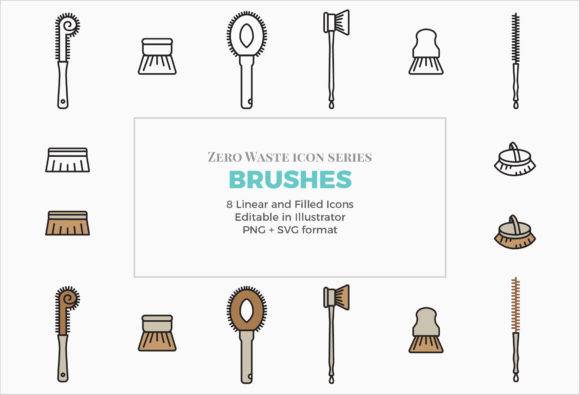
In the digital age, visual storytelling plays a crucial role in popularizing sustainable habits. Platforms like Instagram and Pinterest are powerful tools for showcasing the aesthetic appeal of zero waste cleaning brushes. High-quality images of bamboo brushes arranged neatly in a sunlit kitchen can inspire followers to make similar changes. Creators and influencers can leverage editable icons and graphics to illustrate the benefits of these tools, making complex environmental concepts accessible and engaging.
For bloggers and content creators, providing downloadable resources such as SVG or PNG icons related to zero-waste lifestyles can enhance user engagement. These assets allow readers to create their own content, spreading the message further. Whether used for social media posts, educational materials, or product labels, these visual elements help standardize the language of sustainability, making it easier for consumers to identify and choose eco-friendly options.
Conclusion: Small Changes, Big Impact
The journey toward a zero-waste lifestyle is composed of countless small decisions. Replacing a plastic sponge with a zero waste cleaning brush may seem insignificant in isolation, but collectively, these choices drive market change and reduce environmental harm. By embracing natural materials like bamboo and loofah, individuals can enjoy effective, durable, and aesthetically pleasing cleaning tools that align with their values. As awareness grows and technology improves, the accessibility and variety of these products will continue to expand, making sustainable living easier and more appealing for everyone. The power to protect the planet lies in the details of our daily routines, and the humble cleaning brush is a perfect place to start.