Mastering Cosmetics and Makeup Brushes Products: A Guide to Quality and Presentation
In the saturated world of beauty, visual appeal is just as critical as product performance. Whether you are a makeup artist building a portfolio, a small business owner launching a new line, or a content creator designing social media assets, the way you present Cosmetics and Makeup Brushes Products defines your brand’s perceived value. Many creators overlook the importance of high-quality digital assets, assuming that a quick snapshot or a generic clipart image will suffice. This misconception often leads to inconsistent branding and lost engagement.
Understanding the nuances of cosmetic imagery—from the texture of a bronzer to the bristle detail of a synthetic brush—can elevate your professional presence. This guide explores common pitfalls in selecting and utilizing cosmetic visuals and offers practical advice for making smarter choices that enhance your projects.
The Trap of Low-Resolution Imagery
One of the most frequent mistakes beginners make is using low-resolution images for high-stakes presentations. When you are showcasing delicate items like an eyeshadow palette or a sleek lipstick tube, pixelation destroys credibility. A blurry image suggests a lack of attention to detail, which consumers subconsciously translate to the quality of the product itself.
Many freelancers and marketers download free images from questionable sources, only to find they cannot scale them for print or large-format displays. This limitation forces last-minute redesigns and increases production costs. To avoid this, always verify the resolution and format before downloading. Professional-grade assets should be available in vector formats like SVG or EPS, which allow infinite scaling without quality loss, alongside high-resolution JPG and PNG files for web use.
Why Format Matters for Versatility
Consider the difference between a raster image and a vector graphic. A JPG is excellent for photographs of real-life applications, such as a model wearing mascara and blush. However, if you need to place a graphic of a compact powder on a varied background for a brochure, a PNG with a transparent background is essential. Without transparency, you spend hours manually removing backgrounds, often resulting in jagged edges that look unprofessional.
For maximum efficiency, look for comprehensive asset packs. A single ZIP file containing EPS, JPG, PNG, and SVG formats provides the flexibility needed for diverse projects. This approach ensures you have the right file type for every platform, from Instagram stories to printed packaging mockups.
Misunderstanding Product Specificity
Another common oversight is using generic icons instead of specific product representations. Not all cosmetics look the same. An eye pencil has a distinct shape and application method compared to a liquid lip cream. Using a generic "makeup" icon for a specific tutorial on eyeliner techniques confuses the audience and dilutes the educational value of your content.
For educators and bloggers, accuracy builds trust. If you are writing a review on long-wear lipstick, your accompanying visuals should clearly depict the product’s packaging and texture. Hand-drawn illustrations can be particularly effective here, as they allow you to highlight specific features, such as the angled tip of a brush or the shimmer particles in an eyeshadow palette, without the distractions of photographic lighting issues.
The Value of Hand-Drawn Aesthetics
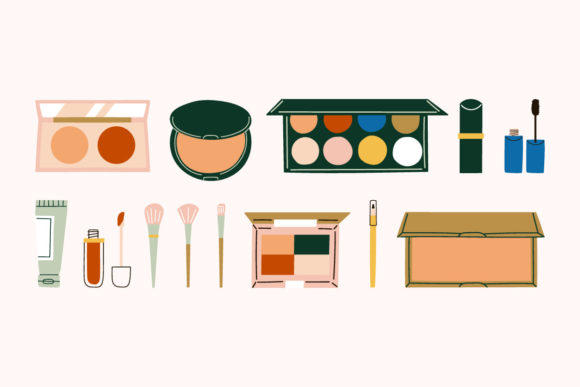
While photography is standard, hand drawn cosmetics and makeup brushes offer a unique artistic advantage. They convey warmth, creativity, and a personal touch that stock photos often lack. This style is particularly effective for brands targeting a younger demographic or those emphasizing organic, artisanal qualities.
However, a mistake many make is choosing hand-drawn assets that lack anatomical accuracy. A brush with unrealistic bristles or a bronzer compact with impossible geometry can look amateurish. Ensure that the artistic style maintains structural integrity. The best hand-drawn assets balance artistic flair with recognizable product forms, making them suitable for both playful social media posts and sophisticated blog headers.
Overlooking Color Accuracy and Consistency
Color is the language of cosmetics. A blush described as "coral" must look coral, not pink or orange. Inconsistent color representation across your digital assets creates cognitive dissonance for the viewer. This is especially problematic when comparing products, such as showing a range of lip cream shades.
When evaluating digital assets, check for color fidelity. Poorly calibrated images may distort the true hue of a product, leading to customer dissatisfaction if the physical item does not match the online representation. For marketers, this means higher return rates and negative reviews. Always preview assets on multiple devices to ensure color consistency. If you are using vector files like EPS or SVG, you have the added benefit of being able to adjust colors easily to match your brand guidelines precisely.
Neglecting Licensing and Usage Rights
Perhaps the most dangerous mistake is ignoring licensing terms. Downloading an image of a mascara tube from a search engine and using it in a commercial ad can lead to severe legal consequences. Many creators assume that if an image is free to download, it is free to use commercially. This is rarely the case.
Always verify the license associated with your Cosmetics and Makeup Brushes Products assets. Reputable providers offer clear licensing agreements that specify whether the assets can be used for personal projects, commercial products, or resale. Investing in properly licensed assets protects your business and ensures ethical practices. Look for providers who offer comprehensive packages, such as a ZIP file with multiple formats, as these often come with clearer, more flexible usage rights than individual free downloads.
Practical Steps for Better Selection
To streamline your workflow and enhance the quality of your output, adopt a systematic approach to selecting cosmetic visuals:
- Audit Your Needs: Determine if you need photorealistic images for product listings or stylized illustrations for educational content. Mix and match formats as needed.
- Check File Formats: Ensure the provider offers SVG and EPS for scalability, and PNG for transparency. Avoid relying solely on JPG files if you plan to overlay text or graphics.
- Verify Detail Levels: Zoom in on the assets. Can you see the texture of the compact powder? Are the bristles of the makeup brushes distinct? High-quality details signal professionalism.
- Test for Versatility: Before purchasing a large pack, test a few assets in your actual design environment. Ensure they integrate smoothly with your existing brand elements.
By avoiding these common pitfalls and focusing on quality, accuracy, and legal compliance, you can significantly improve the impact of your cosmetic-related projects. Whether you are designing a new label for a lip cream or creating an infographic about bronzer application, the right visual assets serve as the foundation of effective communication. Invest time in selecting the best resources, and your audience will respond with greater engagement and trust.