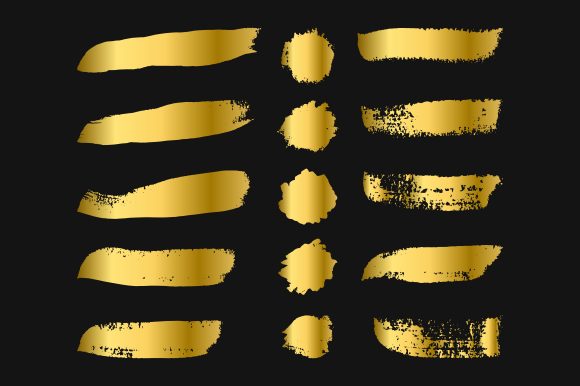
Handmade Watercolor Brush with Gradient: A Design Resource Evaluation
In the evolving landscape of digital design, texture and organic imperfection have become valuable assets for creating authentic visual experiences. The Handmade Watercolor Brush with Gradient represents a specific category of digital tools designed to bridge the gap between traditional artistic media and modern graphic software. These resources are not merely pre-made shapes; they are high-fidelity scans of actual hand-painted strokes, processed to retain the nuanced behavior of watercolor pigments on paper. For designers, illustrators, and hobbyists, understanding the utility and limitations of these assets is essential for integrating them effectively into professional workflows.
Understanding the Asset Structure
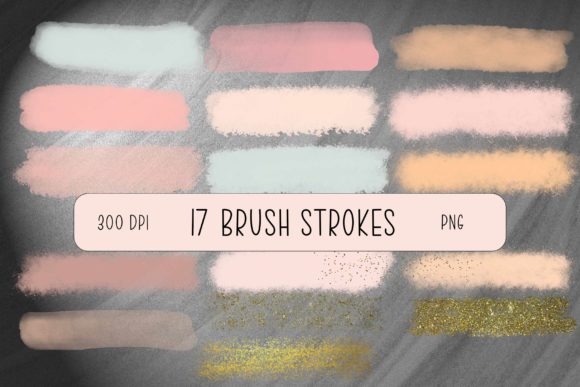
A hand made watercolour brush set typically consists of digitized images of brushstrokes that have been carefully isolated from their backgrounds. In the context of the specific collection featuring Silver, Golden, and Rose Gold gradients, the value proposition lies in the combination of traditional texture and contemporary metallic aesthetics. Unlike standard flat-color brushes, these gradients mimic the way light interacts with metallic pigments, offering a depth that is difficult to replicate using only digital gradient tools.
The technical specifications of such a set are critical to its usability. High-quality sets are often traced or scanned at around 600 dpi (dots per inch). This high resolution ensures that when the brush stroke is scaled up for large-format prints, such as posters or banners, the edges remain crisp and the internal textures do not pixelate. Furthermore, the inclusion of vector files, specifically .EPS formats, provides infinite scalability without any loss of quality. This dual-format approach—offering both high-resolution raster images (300 dpi JPEGs) and vector paths—caters to a wide range of software environments, from Adobe Photoshop to Illustrator and Affinity Designer.
Why Designers Choose Handmade Gradients
The primary reason for selecting a Handmade Watercolor Brush with Gradient over a digitally generated equivalent is authenticity. Digital gradients can often appear too perfect, sterile, or uniform. Hand-painted strokes introduce natural variations in opacity, saturation, and edge roughness. These imperfections signal to the viewer that the design has a human touch, which can increase engagement and perceived value.
Additionally, the specific colorways mentioned—Silver, Golden, and Rose Gold—are highly relevant in current branding and lifestyle design trends. Metallic tones are frequently used in luxury packaging, wedding invitations, and high-end cosmetic branding. Creating realistic metallic watercolor effects from scratch requires significant skill in layering, masking, and blending modes. Using a pre-made brush set allows designers to achieve this complex look efficiently, saving hours of manual adjustment while maintaining a consistent aesthetic across multiple design elements.
Benefits and Practical Applications
Integrating these brushes into a design workflow offers several tangible benefits. First, they provide immediate visual interest. A simple layout can be transformed by adding a subtle gold gradient sweep behind text or as a border element. Second, they offer versatility. Because the files are provided in both vector and raster formats, they can be used in web design, print media, and social media graphics. The 300 dpi JPEGs are suitable for standard printing needs, while the EPS files allow for precise manipulation of anchor points and colors if further customization is required.
Situations where this tool is a strong fit include:
- Luxury Branding: Adding a touch of elegance to logos or business cards using the Golden or Rose Gold variants.
- Event Stationery: Creating unique backgrounds for wedding invitations or party decor where a soft, artistic feel is desired.
- Social Media Content: Enhancing posts with eye-catching, textured elements that stand out in a feed dominated by flat graphics.
- Product Mockups: Simulating the look of hand-painted packaging designs before committing to physical production.
Tradeoffs and Considerations
While the advantages are clear, there are tradeoffs to consider. The most significant limitation is the lack of dynamic interactivity. Unlike native brush engines in software like Procreate or Photoshop, which respond to pressure sensitivity and tilt, these pre-rendered brushes are static images. You cannot change the flow or wetness of the paint in real-time. If a designer needs a brush that reacts dynamically to their stylus movements, a native digital brush pack would be a more appropriate choice.
Another consideration is file management and compatibility. Vector EPS files are widely supported but may require conversion for use in certain web-based design tools that primarily accept PNG or SVG formats. Additionally, while the 600 dpi source quality is excellent, users must ensure their final export settings match their intended medium. Using a 300 dpi JPEG for a massive billboard might still result in some quality loss if scaled excessively, whereas the vector option would mitigate this risk entirely.
Color accuracy is also a factor. Metallic effects on screen often differ from printed output. The "Gold" seen on a monitor is a simulation using yellow and orange hues, as standard printers cannot reproduce true metallic foil. Designers aiming for actual metallic print finishes should view these brushes as placeholders or design guides rather than final print-ready representations of foil stamping.
Evaluating Fit for Your Projects
To determine if a Handmade Watercolor Brush with Gradient aligns with your goals, assess the nature of your project. If you are working on a tight deadline and need high-quality, artistic textures without the learning curve of painting them manually, this set is an efficient solution. It is particularly useful for designers who possess strong layout skills but may lack advanced watercolor painting techniques.
However, if your project requires complete control over every droplet and bleed of the paint, or if you are creating an animation where the brush stroke needs to appear as if it is being painted in real-time, alternatives may be worth considering. In such cases, investing time in learning digital painting techniques or purchasing dynamic brush engines that support time-lapse recording might yield better results.
It is also important to consider licensing and usage rights. Ensure that the purchased set allows for commercial use if you intend to incorporate the designs into client work or products for sale. Most reputable creators provide clear licenses, but verifying this beforehand prevents legal complications later.
Conclusion
The hand made watercolour brush set featuring Silver, Golden, and Rose Gold gradients offers a compelling blend of traditional artistry and modern convenience. By providing high-resolution raster and scalable vector files, it accommodates a diverse range of design needs. While it does not replace the dynamic flexibility of native digital brushes, it excels in delivering authentic, high-quality textures quickly and efficiently. For designers seeking to add a unique, luxurious, and organic look to their projects, this resource serves as a practical and effective tool. Evaluating your specific technical requirements and aesthetic goals will help determine whether this static, high-fidelity approach is the right choice for your next creative endeavor.